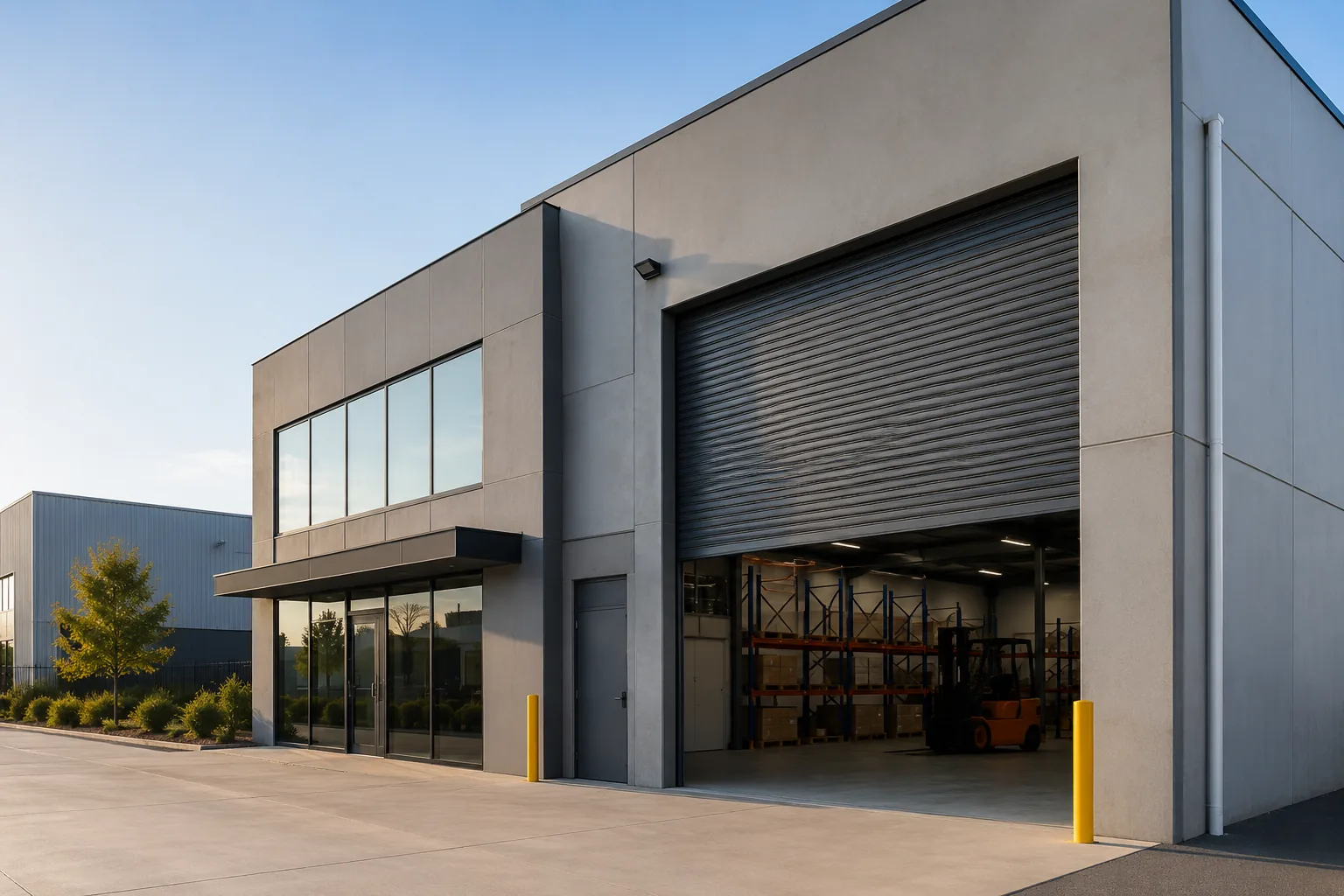
The short answer: business owners often consider buying their premises for control and so rent can build an asset rather than go to a landlord. Buying through an SMSF has strict rules on borrowing, lease terms and compliance, so check the structure with a specialist before you choose a building.
You have leased the same factory or warehouse somewhere between Truganina and Laverton North for years now, and every twelve months the rent review notice turns up like clockwork. Meanwhile the building itself keeps making someone else money. Business owners across Melbourne's west often ask a simple question, why keep paying rent to a landlord when that same rent could be building an asset for your own retirement instead.
The numbers
Sources: ATO, SMSF investment restrictions and ATO, valuing SMSF assets. This is general information, not financial advice.
What buying through an SMSF actually means
A self managed super fund can, under the right circumstances, purchase a commercial property such as an industrial warehouse or factory. The business then pays market rent to the fund rather than to an outside landlord. Over time that rent contributes to retirement savings instead of disappearing into someone else's investment portfolio. This is a legitimate and well understood structure used by business owners across Australia, but it comes with strict rules around how the property is used, valued and leased.
Rent is rent either way, the only question is whose retirement it ends up funding.
Why this is gaining traction across Melbourne's west
The rent you are paying right now is either building your future or someone else's.
Questions worth raising with your SMSF specialist
Before any decision is made, there are genuine technical questions to work through with a qualified adviser. These include how the property must be leased at arm's length on commercial terms, what borrowing structures are permitted, how contributions and fund balances affect what can be purchased, and how ongoing compliance obligations are managed once the property sits inside the fund. None of this is something to work out on the back of an envelope, and every business situation is different.
Common mistakes business owners make when considering this path
Where Fairmont fits in
Our role at Fairmont is to help you understand the industrial property market across Melbourne's west and Geelong corridor, identify suitable warehouse and factory options, and support the property side of this decision with genuine local knowledge. We are not licensed financial advisers and this guide is general information only, not financial, tax or legal advice. Any decision about purchasing property through an SMSF should be made in consultation with your own accountant, financial adviser or SMSF specialist, who can assess your specific circumstances.
Common questions
What is your industrial property worth?
We track live sales and leases across the western corridor. Get a straight appraisal within 24 hours, with no obligation.
Get your free appraisal
Fairmont only sells and leases industrial property across Melbourne's western corridor and Geelong. That focus is deliberate. It means we know the buyers who are active right now and what they are prepared to pay.