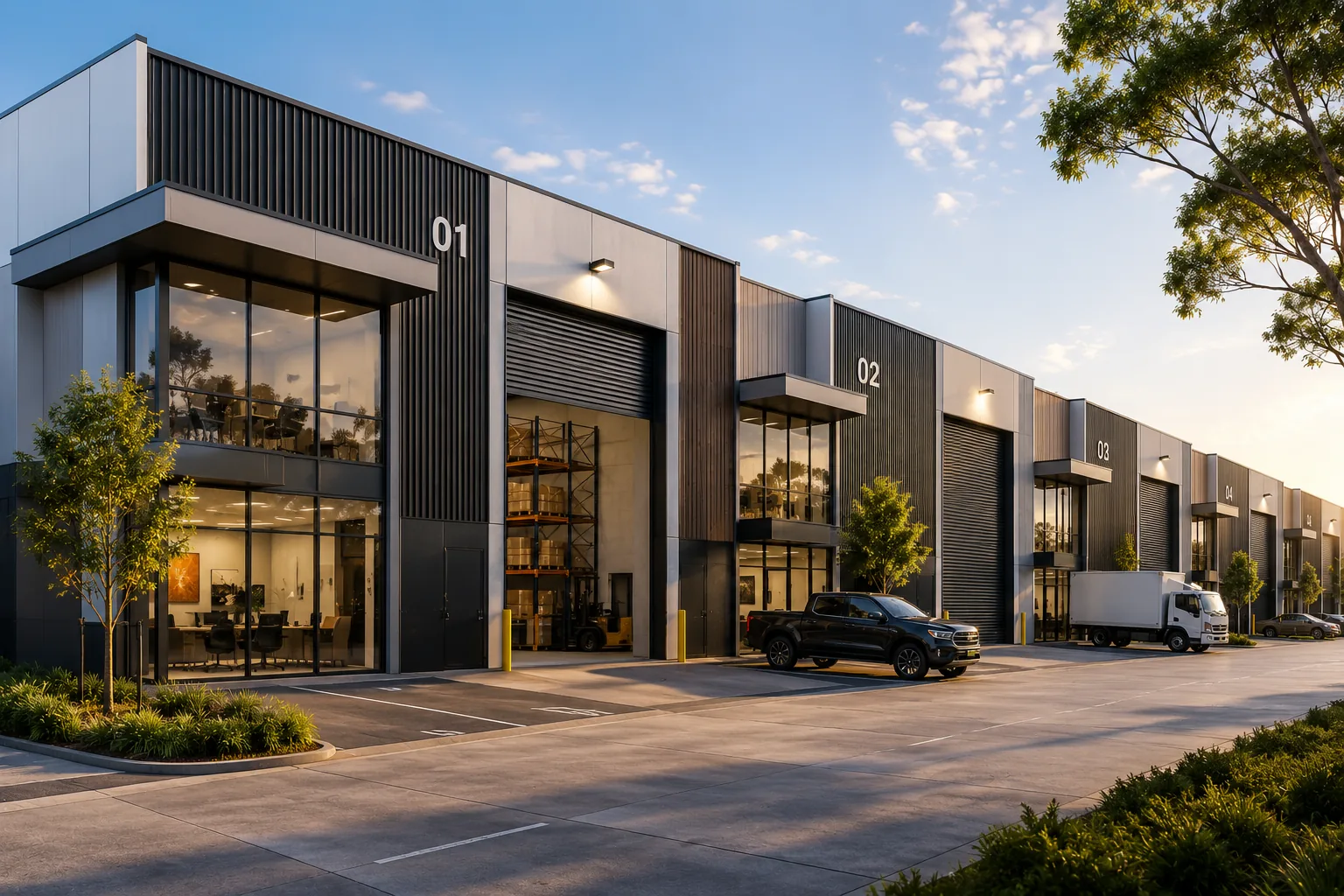
You bought your warehouse or factory years ago because it made sense for the business, or because it looked like a solid investment. Now you are wondering if this is the moment to cash in. The truth is most owners either sell too early, leaving money on the table, or hang on too long and miss the window entirely. There is a way to read the signs properly, and it has nothing to do with guessing.
Why timing matters more in industrial than any other asset class
Industrial property in the western suburbs moves in cycles driven by land supply, infrastructure rollout and tenant demand. Unlike a house, you cannot rely on general sentiment. A precinct near a new freight corridor or upgraded interchange can shift in value while the site two kilometres away stays flat. Understanding where your property sits in that pattern is the difference between an average result and a strong one.
A warehouse that looks the same from the street can be worth very different amounts depending on what is happening three streets away.
Five signs your property is primed for a strong result
The best time to sell is rarely when you decide you are ready. It is when the market decides it is ready for you.
Mistakes owners make when trying to time the market
What buyers are actually looking for in the west and Geelong corridor right now
Buyers active in this market range from owner occupiers wanting certainty of tenure to investors chasing yield and developers eyeing longer term rezoning potential. Each of these buyer types values different things. An owner occupier wants functionality and access. An investor wants a clean lease and a defensible rent. A developer wants land size, zoning flexibility and proximity to growth corridors. Knowing which buyer type your property suits best shapes how you should present and price it.
Selling well is not about finding a buyer. It is about finding the right type of buyer for what you actually have.
Getting a strong result instead of an average one
A strong sale result usually comes down to preparation, not luck. That means understanding your lease position, knowing what is genuinely happening in your precinct, and presenting the property to the buyer type most likely to pay a premium for it. Owners who do this groundwork before listing consistently achieve better outcomes than those who simply put a sign up and hope.
What is your industrial property worth?
We track live sales and leases across the western corridor. Get a straight appraisal within 24 hours, with no obligation.
Get your free appraisal
Fairmont only sells and leases industrial property across Melbourne's western corridor and Geelong. That focus is deliberate. It means we know the buyers who are active right now and what they are prepared to pay.