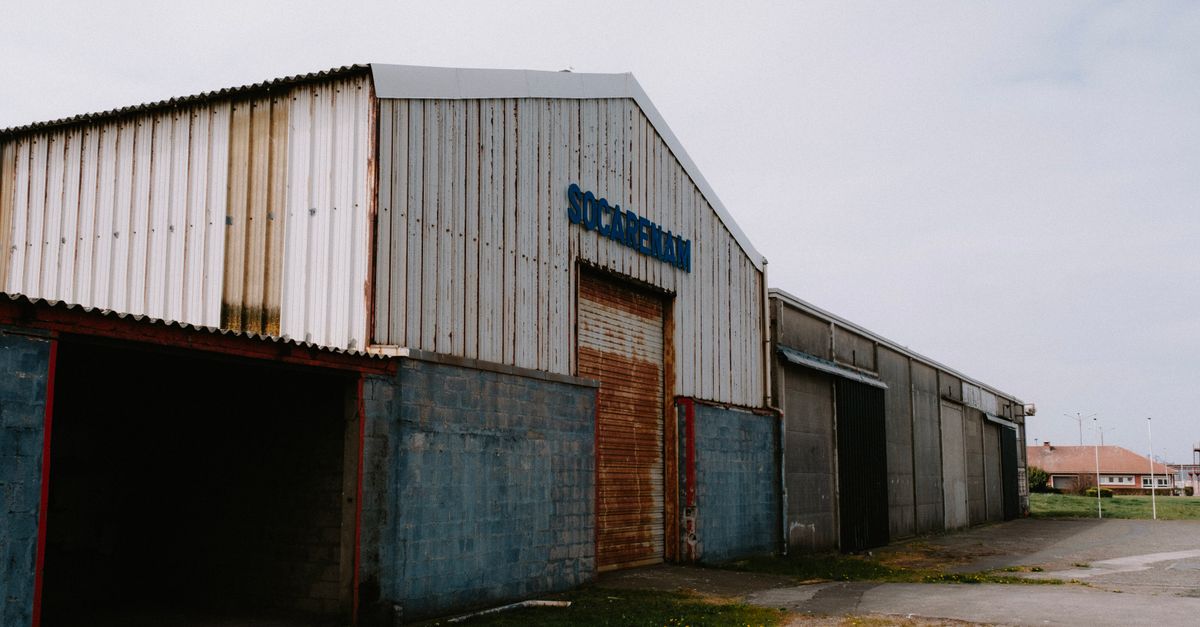
You've got a tenant paying rent in your warehouse right now, somewhere between Laverton and Lara, and you're weighing up whether to sell. Is that sitting tenant a selling point or a handbrake on your price? The honest answer is it depends entirely on the lease sitting behind that rent cheque, not just the rent itself.
Two completely different buyers, two completely different prices
A vacant warehouse and a tenanted warehouse are not the same product, even if the bricks and the land are identical. Vacant possession speaks to owner-occupiers, the manufacturer, the transport operator or the trades business who wants to move their own operation in. A tenanted asset speaks to investors, including SMSF trustees and private syndicates, who are buying an income stream first and a building second. Once you understand which buyer you are selling to, the valuation logic changes completely.
A tenanted warehouse is sold on the strength of its lease, a vacant one is sold on the strength of the building and the location.
How a buyer actually prices a tenanted warehouse
Investors work backwards from the rent. They look at the income, apply a capitalisation rate that reflects the risk of that income, and that gives them a price. The rate they apply moves depending on how safe your lease looks, not just how much it pays. A long lease to a strong tenant with fair market rent and clean rent review structures will attract a tighter yield expectation than a short lease to an unknown operator, even if the annual rent is the same.
Why vacant possession isn't automatically the higher number
Many owners assume an empty building will always fetch more because it opens the door to owner-occupiers, and sometimes it does. But vacant possession also means no income while the property is being marketed, holding costs during that period, and a buyer pool that is smaller and more sensitive to fit out, access and site coverage for their specific operation. In parts of the western corridor where owner-occupier demand is strong, vacant possession can outperform a tenanted sale. In other pockets, a well structured lease in place is what gives buyers the confidence to pay a premium.
The rent tells a buyer what the asset earns, the lease tells them what that income is actually worth.
Mistakes owners make when valuing their asset
Sale and leaseback, and other options worth understanding
If you occupy your own warehouse and are considering releasing capital, a sale and leaseback arrangement is one structure some owners explore, where you sell the property and simultaneously sign a lease to stay on as the tenant. This can suit business owners wanting to free up capital while retaining operational continuity, but it changes your position from owner-occupier to tenant, and it needs proper legal and financial advice before you commit to anything. This guide is general information only, not financial, tax or legal advice, and Fairmont Property Group is a property agency, not a licensed financial adviser. Speak with your accountant, financial adviser or SMSF specialist about what any of this means for your own situation.
What is your industrial property worth?
We track live sales and leases across the western corridor. Get a straight appraisal within 24 hours, with no obligation.
Get your free appraisal
Fairmont only sells and leases industrial property across Melbourne's western corridor and Geelong. That focus is deliberate. It means we know the buyers who are active right now and what they are prepared to pay.