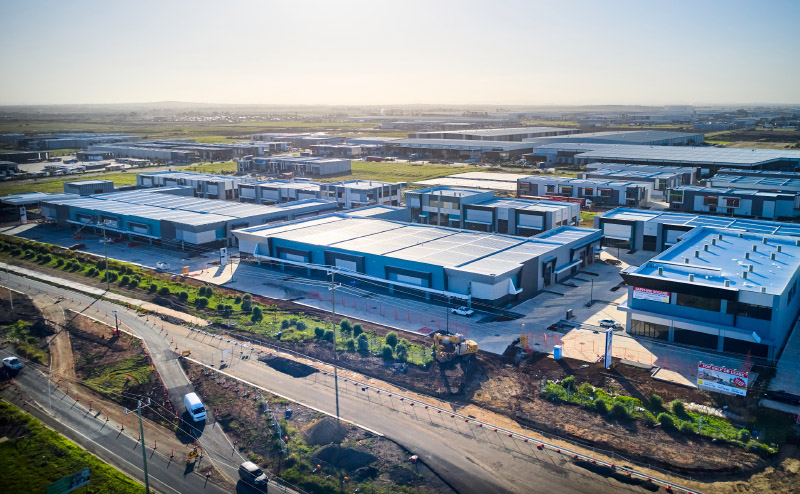
Not long ago, Tarneit and Truganina were the paddocks you drove past on the way to somewhere else. Now they are two of the busiest industrial pockets in Melbourne's west, and the pace of change has caught more than a few landowners flat footed.
The corridor nobody expected to matter this much
Tarneit and Truganina sit at the intersection of residential expansion and industrial demand, which is a rare and valuable position. As new housing estates fill in around them, the appetite for local warehousing, storage and last mile logistics has grown alongside it. What used to be considered fringe industrial land is now firmly inside the action.
The corridor's biggest advantage is also its biggest risk, because proximity to rooftops cuts both ways for industrial landholders.
Owners who bought a decade ago on the promise of future growth are now watching that growth actually arrive. The question is whether their property, their lease structure and their planning position are ready for it.
What is actually changing on the ground
A corridor that grows this fast rarely rewards the owner who waits to see what happens next.
The mistakes we keep seeing
Why access and infrastructure matter more than ever
As Truganina and Tarneit fill in, freight movement becomes the quiet factor that decides which properties hold their value and which ones struggle. Sites with clean truck access, good arterial connections and room to move remain more attractive to serious tenants than those squeezed by residential traffic. This is one area where the corridor's growth genuinely benefits well positioned industrial land, and genuinely disadvantages the poorly positioned.
An industrial site is only as valuable as the road that leads to it.
What to check before you buy or lease here
Before committing to a purchase, lease or development decision in this corridor, it pays to get a clear read on where demand is actually heading rather than where it has been. Vacancy levels, incoming supply and rental movement all shift the calculation on what a site is genuinely worth. In the west, industrial vacancy sat at 5.2 per cent in the first quarter of 2026, above the Melbourne average of 4.5 per cent and well above the ten year average of 2.6 per cent. Demand has not gone away though. The west recorded 210,018 sqm of take-up in that quarter, more than half of all space leased across Melbourne, and prime net face rents in the west averaged $140 per sqm after rising 6.1 per cent over the year (Knight Frank, Melbourne Industrial State of the Market, Q1 2026). Understanding these figures properly, rather than relying on assumptions, is what separates a confident decision from a costly one.
Where this corridor goes next
Tarneit and Truganina are not finished changing. As population growth in the west continues, the pressure on industrial land, infrastructure and zoning will keep building. Wyndham, the council covering Tarneit and Truganina, is forecast to grow by 192,393 people between 2021 and 2046, a rise of about 65 per cent, or 2.02 per cent a year (City of Wyndham population forecast, .id informed decisions). Owners who understand this shift early tend to make better decisions, whether that means holding, developing or selling into strong demand.
What is your industrial property worth?
We track live sales and leases across the western corridor. Get a straight appraisal within 24 hours, with no obligation.
Get your free appraisalSources

Fairmont only sells and leases industrial property across Melbourne's western corridor and Geelong. That focus is deliberate. It means we know the buyers who are active right now and what they are prepared to pay.