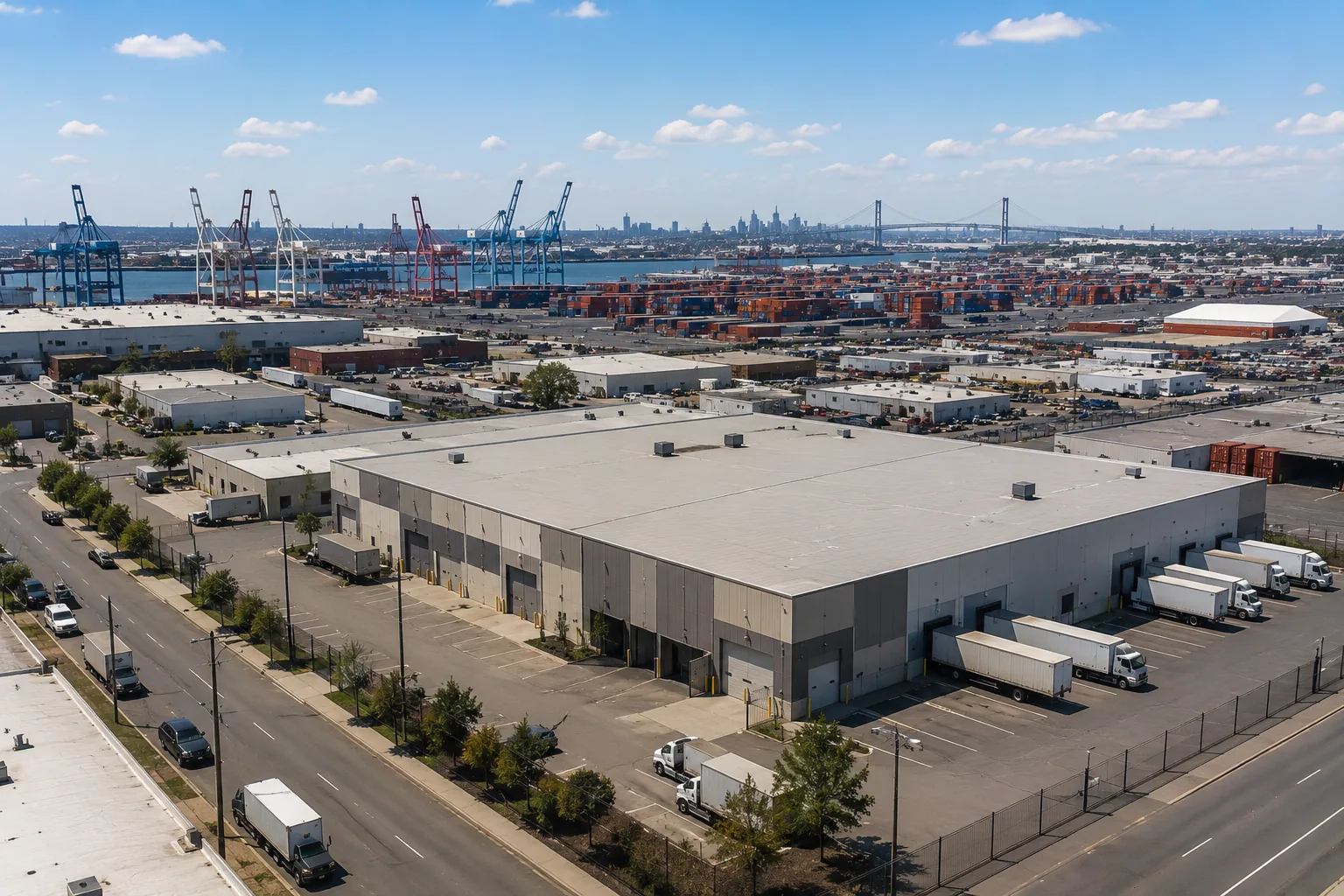
Port proximity in Brooklyn adds value because it removes a cost from every tenant's operation, namely freight time and fuel between the site and Swanson Dock. Buyers and tenants who move containers pay a premium for that shorter, more reliable run, and this shows up directly in land rates and rent per square metre.
Brooklyn sits inside a tight radius of the West Gate Freeway, the Port of Melbourne and the rail terminals at Altona and Somerton. That location is not incidental. It is the reason logistics operators, container parks, transport yards and import distributors chase sites here ahead of suburbs further west that are otherwise similar in zoning and building quality.
If you own land or a warehouse in Brooklyn, or you are looking at buying into the pocket, the value conversation has to start with how the site is actually used by port-reliant tenants, not just its size and improvements.
Distance to the port is a cost line for a logistics tenant, and cost lines get capitalised straight into rent.
What Port Proximity Actually Buys a Tenant
A transport or logistics business does not care much about a nice office fitout. It cares about turnaround time. Every extra kilometre between the warehouse and the container terminal adds fuel, driver hours and slot delays, especially during peak truck congestion around the West Gate. A site in Brooklyn that shaves even a short run off that trip can be worth paying more for, because the saving compounds across hundreds of container movements a year.
This is why Brooklyn attracts a tenant mix that differs from suburbs like Ravenhall or Truganina. Expect more container storage, empty park operators, customs bonded facilities, transport depots and import distribution centres, and fewer light manufacturing or trade showroom tenants.
The Value Drivers Specific to Brooklyn
Where the Premium Shows Up, and Where It Doesn't
The port proximity premium is strongest on yard-heavy sites and purpose built transport facilities. It is weaker on standard office and warehouse stock with small yards, because those buildings suit a wider range of tenants who are not specifically chasing the port run. A generic 1500 square metre warehouse with a small hard stand in Brooklyn will not necessarily outprice a similar building in a neighbouring suburb just because of the postcode.
Land value per square metre in Brooklyn for genuine transport and logistics use typically sits ahead of comparable industrial land further from the port, and that gap tends to widen when congestion on approach roads increases.
The port doesn't add value to every building in Brooklyn. It adds value to the buildings and yards set up to serve it.
Common Mistakes Owners Make When Pricing Port Proximity
Common questions
If you own or are looking at industrial land in Brooklyn, get a clear read on what your site is actually worth to a port-reliant tenant before you price it or make an offer.
What is your industrial property worth?
We track live sales and leases across the western corridor. Get a straight appraisal within 24 hours, with no obligation.
Get your free appraisal
Fairmont only sells and leases industrial property across Melbourne's western corridor and Geelong. That focus is deliberate. It means we know the buyers who are active right now and what they are prepared to pay.