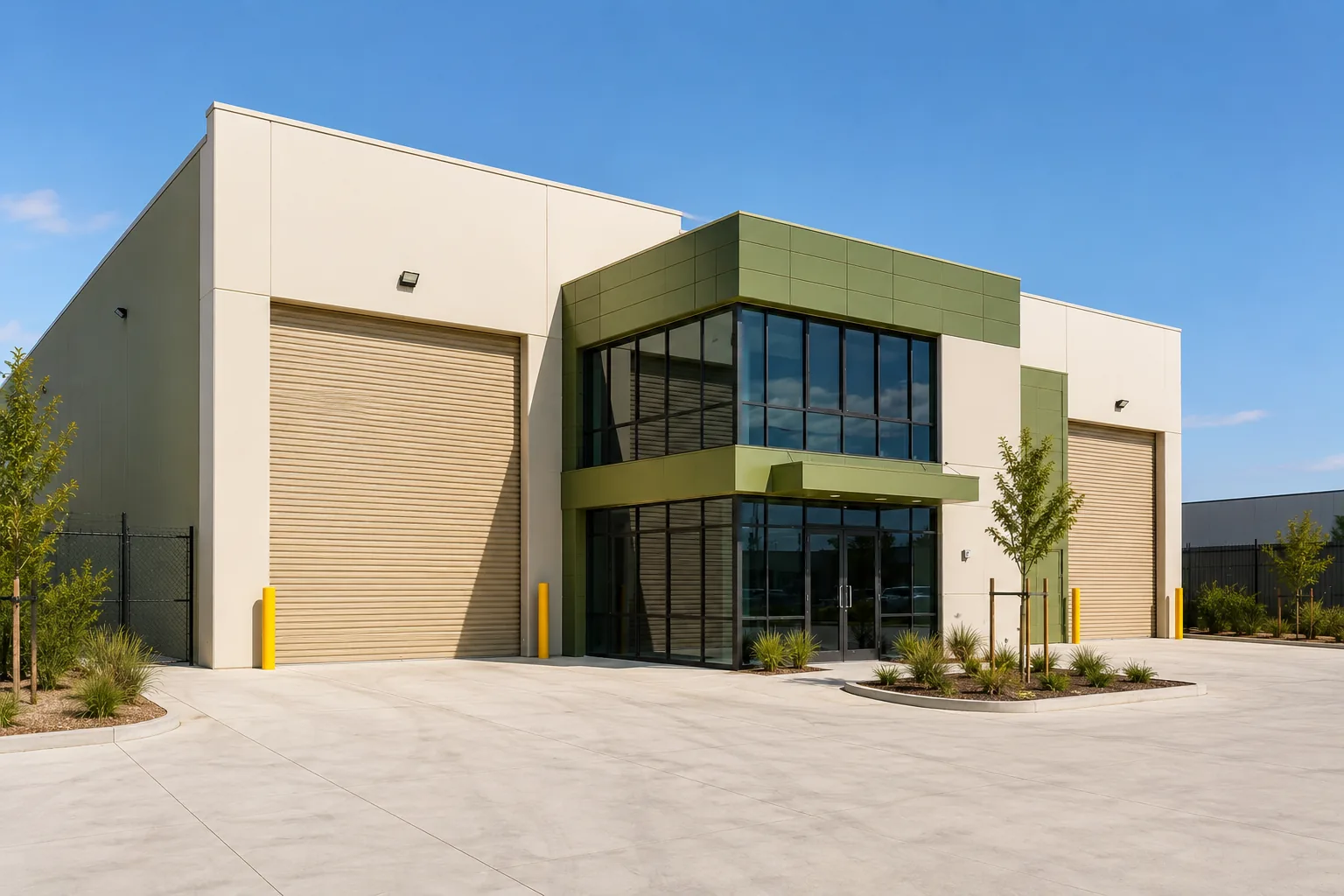
A retiring owner generally has two options: sell the warehouse outright and reinvest the proceeds, or keep the property and lease it out, potentially to the same business under new ownership, for ongoing rental income. The right path depends on your cash needs, appetite for being a landlord, and how the sale of your business is structured.
If you are stepping back from a business that has operated out of a Truganina warehouse for years, the property itself is often the most valuable asset you hold. Many owners have never actually valued it separately from the business, because the two have always been one and the same. That changes the moment retirement becomes real.
Selling the property outright gives you a lump sum you can reinvest, pay down debt with, or split across super and other assets. It removes you from any landlord responsibilities and hands the building's future to someone else entirely. This suits owners who want a clean break and prefer not to manage tenants, maintenance or lease reviews in retirement.
Keeping the warehouse and leasing it out is the other route, and it is common in Truganina because industrial land here has held strong tenant demand from logistics, manufacturing and trade businesses. If you are selling the operating business, you can often lease the property back to the incoming owner on a commercial lease, giving you rental income while someone else runs the day to day operation.
A warehouse that has housed your business for twenty years does not have to leave your life the moment the business does.
What determines which path suits you
Turning an owner occupied warehouse into a leased asset
Moving from occupier to landlord is not automatic. The building needs to be assessed on its own merits as an investment, separate from how your business has used it. That includes reviewing current market rent for comparable Truganina industrial space, understanding what lease term and structure will attract a quality tenant, and confirming the building meets current compliance requirements for a new occupant.
The building does not know it used to be yours. It only knows what it is worth to the next tenant.
If you are selling the business and want to retain the property, a lease back arrangement with the incoming business owner is one of the more common structures we see in the western corridor. It gives the buyer continuity of premises and gives you a tenant from day one, often on terms negotiated as part of the overall sale.
Mistakes owners make at this stage
If superannuation or SMSF ownership is part of your thinking, that is a structuring and tax question that sits with your accountant, financial adviser or SMSF specialist, not with a property agency. This guide is general information only and is not financial, tax or legal advice.
Common questions
What is your industrial property worth?
We track live sales and leases across the western corridor. Get a straight appraisal within 24 hours, with no obligation.
Get your free appraisal
Fairmont only sells and leases industrial property across Melbourne's western corridor and Geelong. That focus is deliberate. It means we know the buyers who are active right now and what they are prepared to pay.