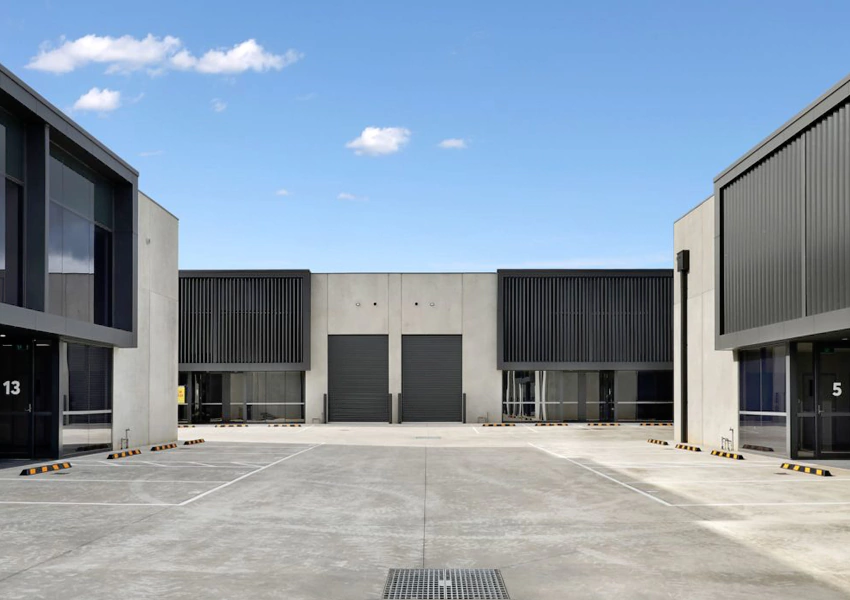
Most owners of a small warehouse or factory unit assume selling is simple. List it, get a few offers, take the best one. That approach might work for a house. It rarely gets full value for an industrial asset in Melbourne's western corridor, where buyers are sharp, finance is scrutinised and every square metre of usable space gets measured against the next listing down the road.
Why small industrial units sell differently
A small unit under a few hundred square metres attracts a different buyer pool than a large distribution facility. Owner occupiers compete with investors, tradies compete with logistics operators, and everyone is comparing your listing against alternatives in Truganina, Laverton, Derrimut and beyond. Price discovery in this segment moves fast because the buyer pool is well informed and connected to the same agents, the same data and the same finance brokers.
The buyer for a small industrial unit usually knows the market better than the seller does.
The factors that actually drive price
Mistakes that cost sellers money
Timing and positioning the campaign
Industrial buyers in the west move on fundamentals. Vacancy levels, land supply and infrastructure projects like the West Gate Tunnel and the broader freight network all shape appetite for small units at any given time. It pays to understand where demand sits before setting an asking price or campaign length, because a unit that sits too long on market starts to signal something is wrong, even when nothing is.
A unit priced to the current cycle sells quickly. A unit priced to hope sits for months.
Presentation still matters
Industrial buyers are practical, but a clean, well lit, tidy unit still photographs and inspects better than a cluttered one. Clear the yard, fix obvious defects, and make sure the property tells its own story the moment a buyer walks through the roller door. Small cost, real impact on perceived value.
A tidy warehouse tells a buyer the rest of the business was probably run well too.
Getting the campaign right
The right campaign for a small industrial unit blends targeted digital exposure with direct outreach to owner occupiers and investors already active in the corridor. A specialist agent with a current buyer database will usually generate stronger competition than an open ended general listing, and that competition is what pushes price beyond the first offer.
What is your industrial property worth?
We track live sales and leases across the western corridor. Get a straight appraisal within 24 hours, with no obligation.
Get your free appraisal
Fairmont only sells and leases industrial property across Melbourne's western corridor and Geelong. That focus is deliberate. It means we know the buyers who are active right now and what they are prepared to pay.