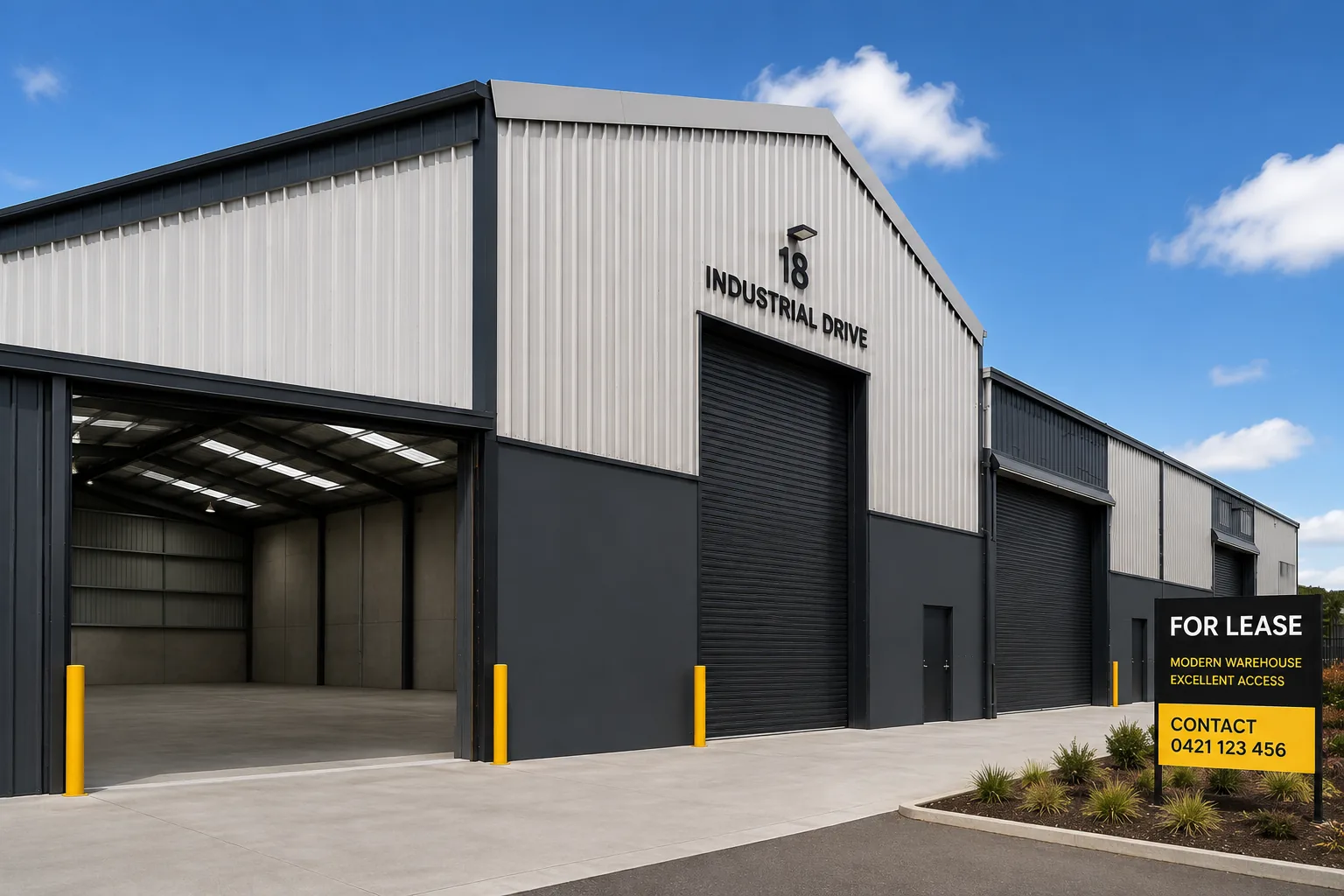
You've found an industrial property in Melbourne's west with a tenant already in place, a lease on the table, and a yield that looks attractive on a spreadsheet. Before you get excited about that number, ask a harder question. Can this tenant actually keep paying, year after year, through a downturn, a change of ownership, or a shift in their industry. That question is what covenant strength is really about, and it matters more than almost anything else in the deal.
What Covenant Strength Actually Means
Covenant strength is simply a measure of how likely a tenant is to meet their lease obligations for the full term. It has nothing to do with how tidy their warehouse looks or how friendly the site manager is on inspection day. It is about the entity behind the signature, their financial position, their trading history, and whether the business they run still needs a shed like yours in five years time.
A high yield on a weak tenant is not a return, it is a risk wearing a disguise.
The Factors Investors Should Weigh
The lease document tells you what the tenant promised. Covenant strength tells you whether they can keep that promise.
Mistakes Investors Make When Assessing a Tenant
Reading the Financials Without Overstepping
This is general information only, not financial, tax or legal advice, and Fairmont is a property agency, not a licensed financial adviser. When you are reviewing tenant financials, lease structures, or how a purchase might sit within a broader portfolio or superannuation strategy, speak with your own accountant, financial adviser or SMSF specialist before making a decision. What we can help with is the property side, reading the lease terms clearly, understanding how the tenant fits the building, and flagging where a covenant looks stronger or weaker than the yield suggests.
Vacancy across Melbourne's western industrial corridor has generally remained tight, which does give landlords more leverage if a tenant needs to be replaced. That backdrop matters, but it is not a substitute for doing the work on the tenant sitting in front of you right now.
What This Means for Your Next Purchase
A weak tenant on a strong building is a fixable problem over time. A strong tenant on a weak building is a much better starting position than most investors assume. The mistake is buying on yield alone and only asking about the tenant after settlement, when there is nothing left to negotiate. Before you commit, get the lease, the financials, and the entity structure in front of someone who deals with industrial tenants across this market every week.
What is your industrial property worth?
We track live sales and leases across the western corridor. Get a straight appraisal within 24 hours, with no obligation.
Get your free appraisal
Fairmont only sells and leases industrial property across Melbourne's western corridor and Geelong. That focus is deliberate. It means we know the buyers who are active right now and what they are prepared to pay.