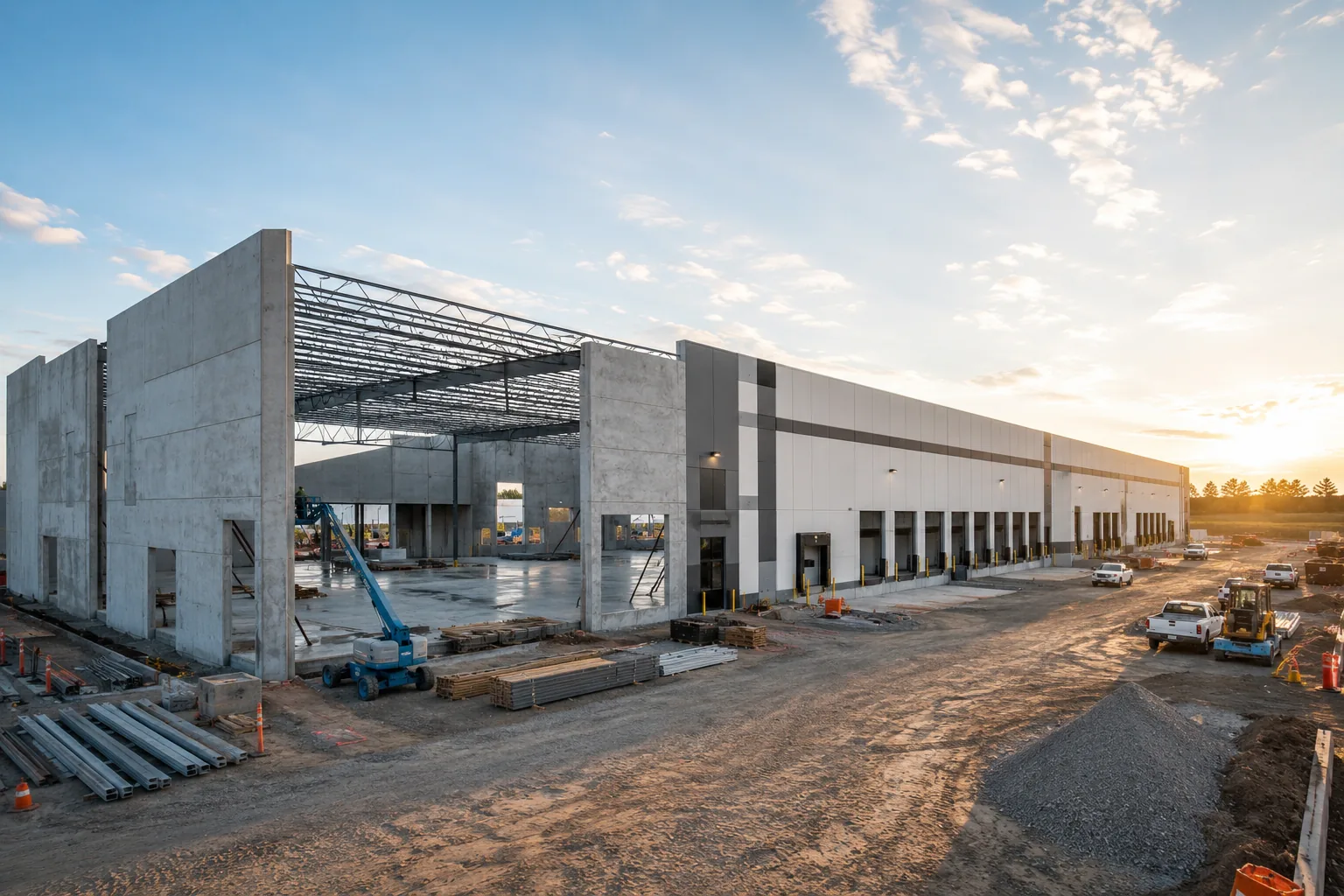
You are looking at an industrial property in Melbourne's west, running the numbers, and every time the cash rate moves the whole deal seems to shift under your feet. You are not imagining it. Interest rate movements change what a property is worth to you, what it is worth to the next buyer, and whether the yield on offer still makes sense once your funding costs change.
This guide is not financial advice. It is a plain English explanation of how rates and yields interact in the industrial market, so you can ask sharper questions when you speak with your broker, accountant or financial adviser.
Why yield and interest rates are joined at the hip
Yield is simply the income a property produces divided by what you pay for it. Interest rates influence both sides of that equation. When borrowing costs rise, buyers generally need a higher yield to make the numbers work, which puts downward pressure on prices unless rents rise to compensate. When rates fall, buyers can accept a lower yield for the same return on equity, which tends to support or push up prices.
A rate movement does not just change your repayments, it changes what every other buyer in the market is willing to pay.
Industrial property in the western corridor has its own rhythm here. Because rents have generally kept pace with demand from logistics, manufacturing and last mile distribution tenants, yields have behaved differently to more rate sensitive asset classes like residential or retail.
What rate movements mean for you as a buyer right now
If you are buying with debt, your serviceability is the first thing affected. A shift in the cash rate flows through to your borrowing costs, which changes the maximum price you can pay while still hitting your target return.
If you are buying with cash or through an SMSF, the effect is more indirect but still real. Rate movements influence what other buyers can afford, which affects competition, which affects the price you need to pay to secure a good site.
The buyer who understands yield compression and expansion negotiates from a position of knowledge, not hope.
Factors that determine how exposed your deal is to rate movements
Mistakes buyers make when reading the rate environment
What a considered buyer does differently
A considered buyer treats rate movements as one input among several, not the whole decision. They model a purchase against a range of rate scenarios, understand the lease terms in detail, and separate the land value story from the income story. They also speak to the right professionals early, rather than after signing a contract.
This guide is general information only and does not constitute financial, tax or legal advice. Fairmont Property Group is a property agency, not a licensed financial adviser, and we always recommend speaking with your own accountant, financial adviser or SMSF specialist before making a decision involving debt, superannuation or tax structuring.
What is your industrial property worth?
We track live sales and leases across the western corridor. Get a straight appraisal within 24 hours, with no obligation.
Get your free appraisal
Fairmont only sells and leases industrial property across Melbourne's western corridor and Geelong. That focus is deliberate. It means we know the buyers who are active right now and what they are prepared to pay.