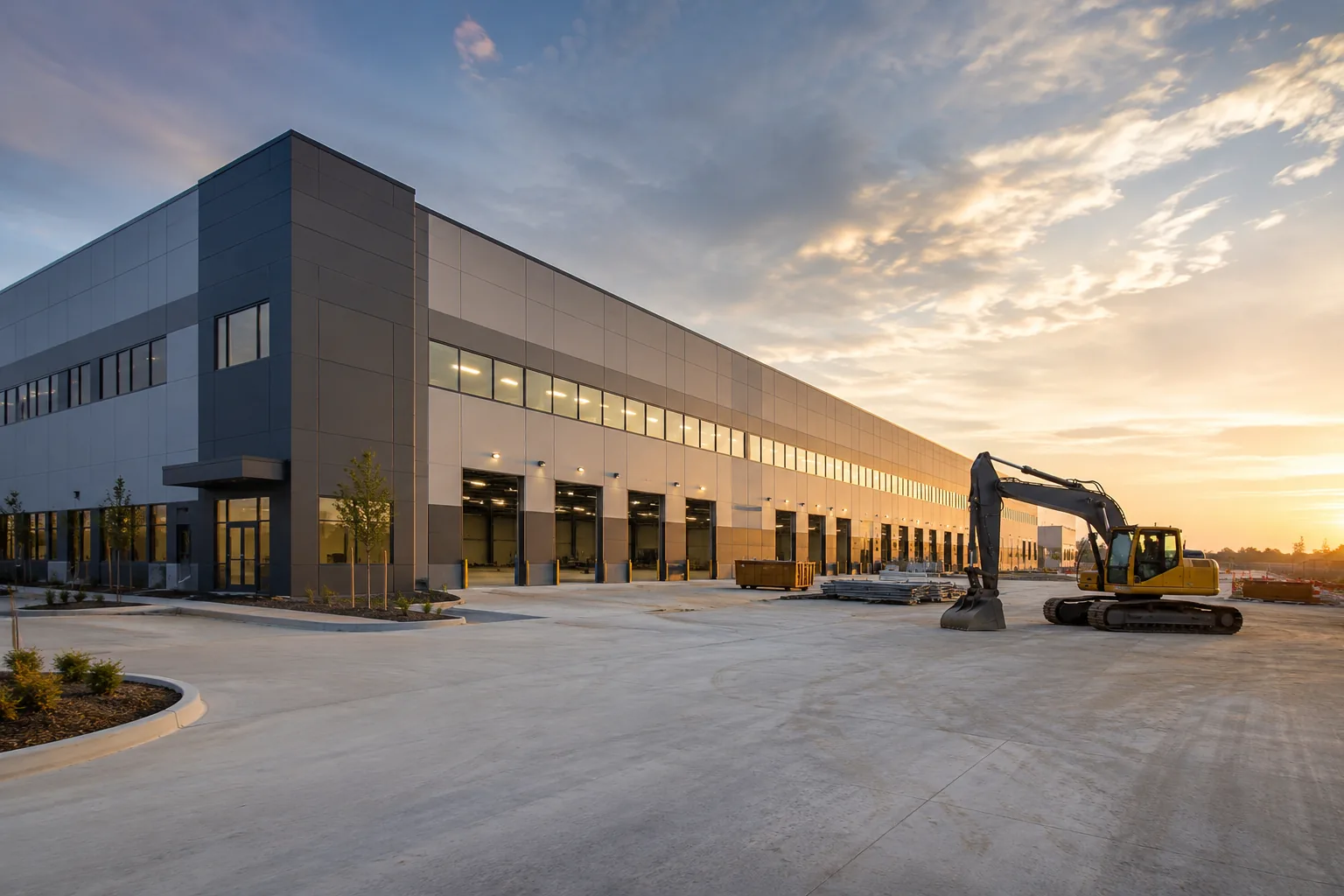
You own a block of industrial land in the west. Maybe it is in Truganina, Ravenhall, Cardinia or out near Lara, sitting there while you decide the next move. Do you sell it as is, or do you spend the time and money to build a warehouse first and sell a finished asset? Get this call wrong and you either leave money on the table or tie up capital for a year longer than you needed to.
Two very different buyers
Vacant land and a completed warehouse attract two different types of buyer, and that is the whole game. Land buyers are usually developers, owner occupiers with a specific build in mind, or investors happy to carry construction risk in exchange for a lower entry price. Built warehouse buyers are often owner occupiers who want to move straight in, or passive investors and SMSF trustees chasing an income producing asset with a tenant already in place. One group wants a blank canvas. The other wants certainty.
The buyer pool for land is smaller but more motivated, while the buyer pool for a finished shed is larger but more price sensitive.
What moves faster: land or a shed
In a lot of cases raw land sells quicker simply because there is less for a buyer to assess. No building to inspect, no lease to review, no make good clauses to argue over. A serious developer or owner occupier can move on a well located block relatively fast once the due diligence on title, overlays and services is done. A built warehouse, by contrast, often takes longer to transact because buyers want time to check the structure, the compliance certificates, the tenancy schedule if it is leased, and sometimes finance approval that hinges on all of that. Speed generally favours land, but only when the land is genuinely development ready.
A clean block with clear title and the right zoning can outsell a half finished shed every time.
What sells for more: land or a shed
This is where it gets interesting. A completed, well built and well leased warehouse will usually command a higher total sale price than the same site sold vacant, because the buyer is paying for a finished, income producing asset rather than taking on construction risk themselves. The gap between raw land value and completed asset value in the west has moved over recent cycles , and that gap is the built in premium landholders are giving away if they sell too early. But building is not free money. Construction cost blowouts, delays, and a softening in leasing demand can erase that premium fast if the timing or the build quality is off.
Where landholders get it wrong
Factors that should tip your decision
What we see on the ground
Fairmont works both sides of this decision every week across the western corridor and the Geelong growth areas. The right answer depends on your specific site, its zoning, the depth of buyer interest in your immediate precinct, and how much time and capital you are genuinely willing to commit. There is no universal rule that land always wins or built stock always wins. There is only what makes sense for your block, right now.
What is your industrial property worth?
We track live sales and leases across the western corridor. Get a straight appraisal within 24 hours, with no obligation.
Get your free appraisal
Fairmont only sells and leases industrial property across Melbourne's western corridor and Geelong. That focus is deliberate. It means we know the buyers who are active right now and what they are prepared to pay.