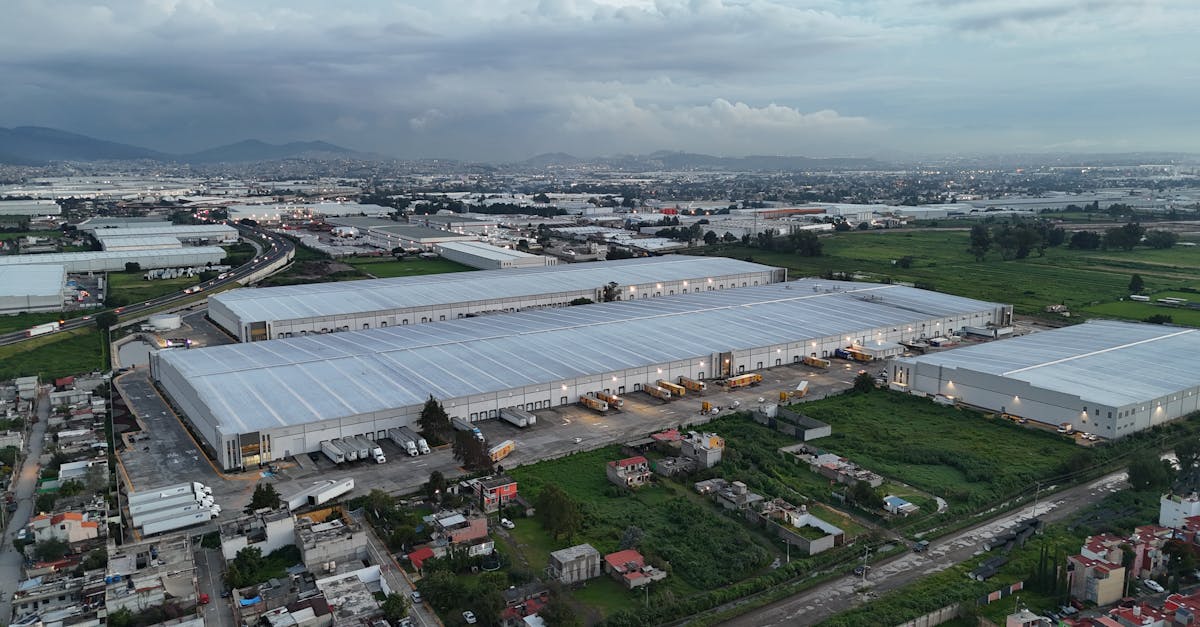
You are looking at a warehouse, a storage facility, or a vacant industrial lot somewhere between Tarneit and the new estates pushing further west, and you can feel the corridor changing under your feet. Roads are going in before the estates are half full. Sheds are rising next to paddocks that were cattle country a few years back. The real question you are asking is whether you are buying into genuine growth or buying into hype dressed up as growth.
Why Tarneit Is Different From The Rest Of The West
Tarneit was a residential story first. Families moved west chasing affordable land, and the population growth that followed created a customer base that logistics and trade businesses now want to be close to. That is a different driver to the older industrial pockets of Sunshine, Laverton or Altona, which grew up around manufacturing and the port. Tarneit and the newer estates further out are being shaped by rooftops first, sheds second.
The suburbs feeding Tarneit's industrial growth are residential, which means demand here follows people before it follows freight.
What Is Actually Driving Demand Here
Last mile delivery businesses want to sit close to the households they serve, not out near the port where land is scarcer and dearer. Tradies, fit out companies, storage operators and small manufacturers are also being priced out of the inner west and pushed toward newer estates where land is still releasing in stages. Add in the ongoing appeal of the Princes Freeway corridor and the rail line through Tarneit, and you have a location that ticks boxes for businesses that need to move goods and people quickly.
Tarneit is not industrial land that happened to attract people. It is people that are now attracting industrial land.
Mistakes Buyers Make In A Growth Corridor
What To Check Before You Commit
Where This Corridor Goes From Here
The growth pushing through Tarneit is not stopping at its borders. New estates further west and toward the Geelong corridor are following the same pattern, residential rooftops first, industrial and logistics interest close behind. Population growth projections for Melbourne's west continue to support this pattern, though the pace and scale should always be checked against the latest figures. For owners and investors, that means the corridor's next chapter is likely to be written further out again, and getting the timing right matters more than getting the suburb name right.
What is your industrial property worth?
We track live sales and leases across the western corridor. Get a straight appraisal within 24 hours, with no obligation.
Get your free appraisal
Fairmont only sells and leases industrial property across Melbourne's western corridor and Geelong. That focus is deliberate. It means we know the buyers who are active right now and what they are prepared to pay.